

Education System in India: A Complete Overview
The education system in India is one of the largest and most diverse in the world. It plays a crucial role in shaping the country’s social, economic, and cultural development. With a long history rooted in ancient traditions and a modern structure influenced by globalization and technology, India’s education system aims to provide knowledge, skills, values, and opportunities to its vast population. This article offers a comprehensive understanding of the Indian education system and answers all possible related questions.
Historical Background of Education in India
India has a rich educational heritage. In ancient times, the Gurukul system focused on holistic learning, moral values, discipline, and close teacher-student relationships. Renowned centers of learning like Nalanda and Takshashila attracted students from across the world.
During British rule, the education system became more formal and exam-oriented, emphasizing English education and administrative skills. After independence in 1947, India restructured its education system to promote national development, equality, and accessibility.
Structure of the Indian Education System
The education system in India follows a 10+2+3/4 structure, which includes:
1. Pre-Primary Education
For children aged 3–6 years
Includes nursery, LKG, and UKG
Focuses on basic literacy, numeracy, and social skills
2. Primary Education
Classes 1 to 5
Emphasizes reading, writing, mathematics, and environmental studies
3. Upper Primary (Middle School)
Classes 6 to 8
Introduces subjects like science, social science, mathematics, and languages
4. Secondary Education
Classes 9 and 10
Students appear for board examinations conducted by boards such as Central Board of Secondary Education, state boards, and ICSE
5. Senior Secondary Education
Classes 11 and 12
Students choose streams: Science, Commerce, or Arts/Humanities
6. Higher Education
Undergraduate, postgraduate, and doctoral programs
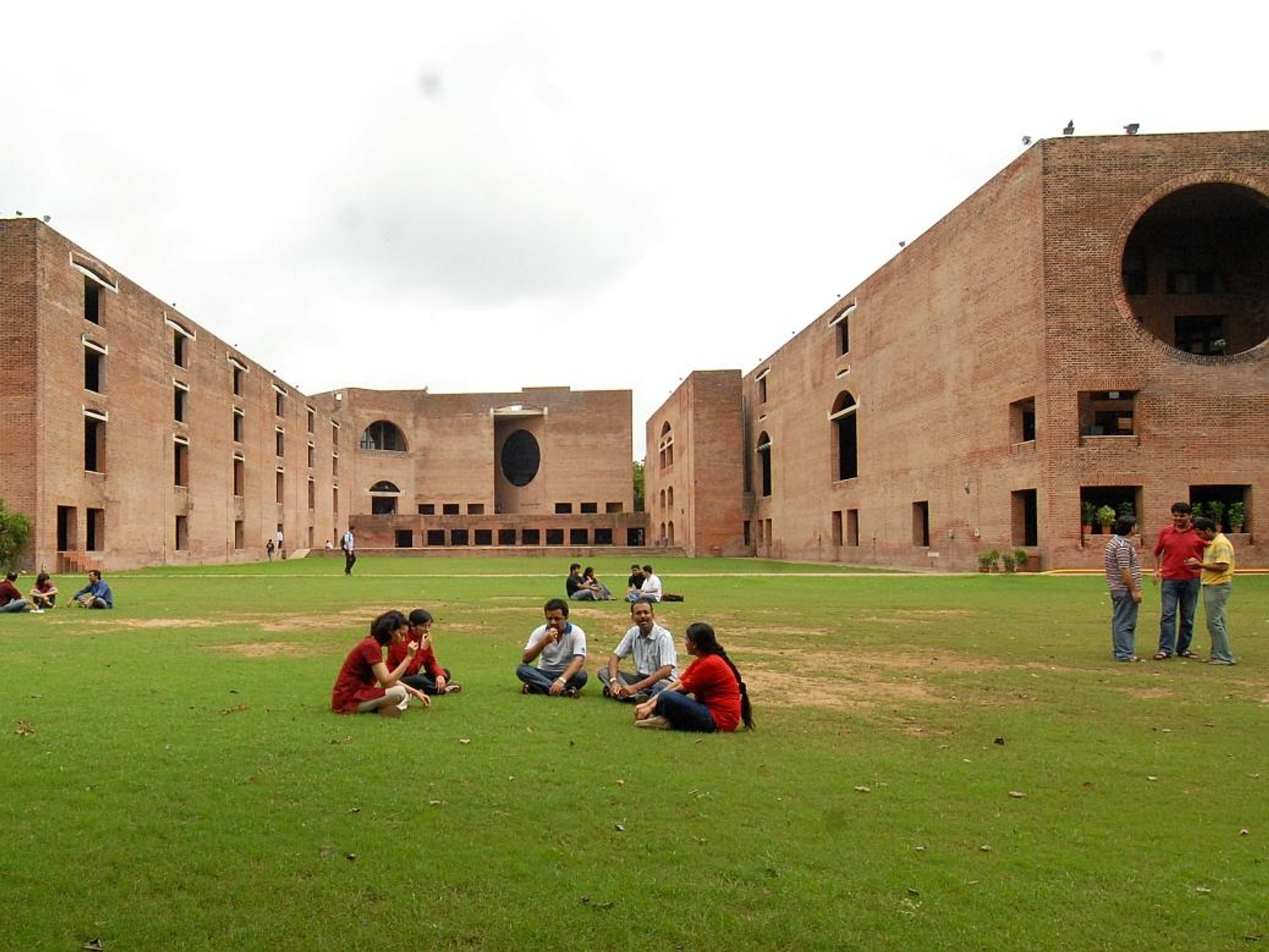
Includes universities, colleges, IITs, IIMs, medical colleges, and professional institutions
Education Boards and Authorities
Education in India is governed by both central and state authorities. The major governing body is the Ministry of Education, which formulates national policies and programs. Different boards ensure standardization and evaluation at school levels.
Medium of Instruction
India follows a multilingual education system. Schools offer instruction in:
Regional languages
Hindi
English
English is widely used in higher education and professional courses, making Indian graduates globally competitive.
Government Initiatives and Policies
To improve education quality and access, the government has launched several initiatives:
Right to Education (RTE) Act – Free and compulsory education up to age 14
Mid-Day Meal Scheme – Improves nutrition and attendance
Digital India and online learning platforms
National Education Policy (NEP) 2020 – Focuses on skill-based, flexible, and holistic education
Strengths of the Indian Education System
Large and Diverse Network – Schools and universities across urban and rural areas
Strong Emphasis on Academics – Particularly in science, mathematics, and technology
Global Recognition – Indian professionals succeed worldwide
Affordable Education – Compared to many developed countries
Growing Digital Education – Online learning expanding rapidly
Challenges in the Indian Education System
Despite progress, several challenges remain:
Rote learning and exam pressure
Unequal access to quality education
Infrastructure gaps in rural areas
Teacher shortages in some regions
Limited focus on practical and skill-based learning
Role of Teachers in the Indian Education System
Teachers are the backbone of Indian education. Beyond academics, they:
Build character and discipline
Guide students emotionally and socially
Encourage values like respect, responsibility, and patriotism
Teacher training and professional development remain key areas for improvement.
Impact of Technology on Education in India
Technology has transformed education through:
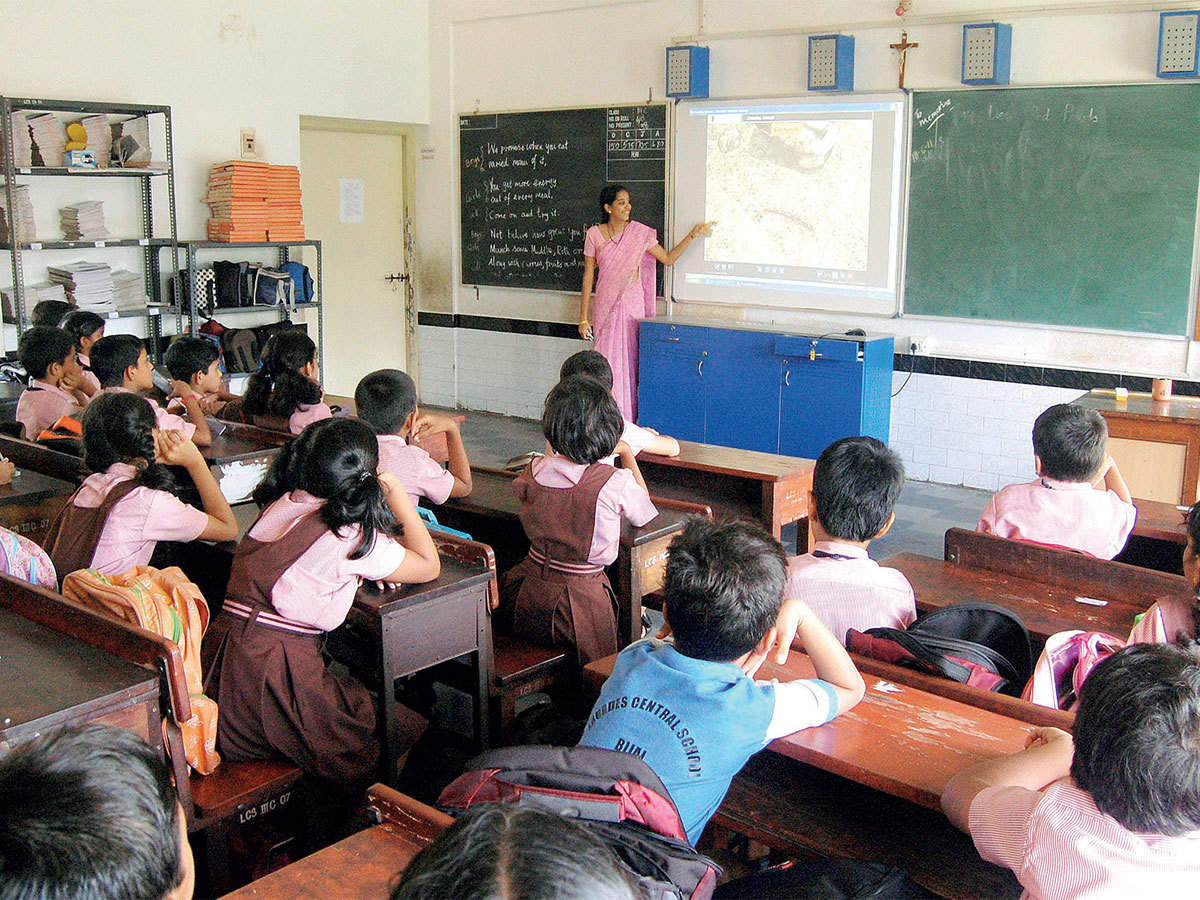
Online classes and digital classrooms
E-learning platforms and AI-based tools
Virtual labs and smart boards
However, the digital divide between urban and rural students remains a concern.
Education and Employment in India
Education in India is closely linked to employment. While academic knowledge is strong, there is a growing need to:
Focus on skill development
Promote vocational and technical education
Encourage entrepreneurship and innovation
Future of Education in India
The future of Indian education lies in:
Skill-based and experiential learning
Integration of technology with traditional teaching
Student-centered and flexible curricula
Greater emphasis on critical thinking and creativity
Conclusion
The education system in India is vast, dynamic, and continuously evolving. While it has produced some of the finest minds globally, it still faces challenges related to quality, access, and relevance. With strong policies, committed teachers, technological support, and active participation from society, India’s education system has the potential to become one of the best in the world.


No comments:
Post a Comment
Thanks for your valuable comments.