Monday, 12 January 2026

Indian Culture

Indian Culture

Indian culture is one of the oldest, richest, and most diverse cultures in the world. It reflects unity in diversity, where people of different religions, languages, traditions, and lifestyles live together with mutual respect. Despite regional differences, the core values of Indian culture remain the same—respect, harmony, and humanity.

At the heart of Indian culture lies the idea of family values. The joint family system has traditionally played an important role, teaching children respect for elders, love for younger ones, and a strong sense of responsibility. Even in modern times, these values continue to shape Indian society.

Indian culture is deeply connected with festivals and traditions. Festivals like Diwali, Holi, Eid, Christmas, Pongal, and Baisakhi are celebrated with great enthusiasm across the country. These festivals promote togetherness, joy, and cultural harmony, bringing people closer irrespective of caste or religion.

Another important aspect of Indian culture is its art, music, and dance. Classical dances such as Bharatanatyam, Kathak, Kathakali, and Odissi, along with folk dances from different states, reflect India’s rich artistic heritage. Indian classical music, yoga, and Ayurveda have gained global recognition for their spiritual and health benefits.

Indian food is also a major part of its culture. Each region has its own unique cuisine, flavors, and cooking styles. From spicy curries to simple vegetarian meals, Indian food represents balance, tradition, and hospitality.

Indian culture teaches values like tolerance, respect for nature, and peaceful coexistence. The philosophy of “Vasudhaiva Kutumbakam” meaning the world is one family highlights India’s inclusive outlook.

In conclusion, Indian culture is a beautiful blend of tradition and modernity. It has evolved over time while preserving its moral values and cultural roots. This rich heritage makes India unique and respected across the world.

Tuesday, 6 January 2026

INDIA.

Speak About India

India is one of the world’s oldest civilizations and also one of the youngest nations in spirit. It is a country where tradition and modernity exist side by side. From the snow-covered Himalayas in the north to the vast oceans in the south, India is a land of great geographical, cultural, and linguistic diversity.

India is known for its unity in diversity. People follow different religions such as Hinduism, Islam, Christianity, Sikhism, Buddhism, and Jainism, yet they live together peacefully. Hundreds of languages and dialects are spoken across the country, but the feeling of being Indian connects everyone. Festivals like Diwali, Eid, Christmas, Holi, and Gurpurab are celebrated with equal joy and respect.

India has a rich cultural heritage. Ancient texts like the Vedas, Upanishads, and epics such as the Ramayana and Mahabharata show India’s deep philosophical roots. Indian classical music, dance forms like Bharatanatyam and Kathak, yoga, and Ayurveda have influenced the world. At the same time, India has embraced modern education, science, and technology.

Politically, India is the world’s largest democracy. The Constitution of India guarantees fundamental rights, equality, and freedom to its citizens. Despite challenges like population pressure and social inequality, India continues to strengthen its democratic institutions through regular elections and active public participation.

Economically, India is an emerging global power. It has made remarkable progress in fields like information technology, space research, digital payments, and startups. Institutions like ISRO and India’s achievements in space missions have brought global recognition. The country is also focusing on manufacturing, infrastructure development, and renewable energy to ensure sustainable growth.

Socially, India is changing rapidly. Education, women empowerment, digital literacy, and entrepreneurship are gaining momentum. Young people are playing a key role in shaping India’s future with innovation and confidence, while still respecting traditional values.

In conclusion, India is not just a country; it is an emotion. Its strength lies in its diversity, resilience, and hope. With its rich past, dynamic present, and ambitious future, India continues to inspire the world and move steadily towards progress and prosperity.

Jai Hind.

Monday, 29 December 2025

GD Topic: Hardwork vs Smartwork.

Introduction

The debate Hard Work vs Smart Work is one of the most discussed topics in education, careers, and personal development. People often ask whether success comes from putting in long hours of effort or from using intelligence, planning, and efficiency. In reality, both hard work and smart work play important roles, and understanding their difference helps us choose the right approach in different situations.


Q. What is Hard Work?

Hard work means putting in consistent effort, time, and dedication to achieve a goal. It focuses on discipline, perseverance, and physical or mental effort, even when results are slow.


Key features of hard work:

* Long hours of effort

* Strong determination and patience

* Learning through repetition and practice

* No shortcuts; step-by-step progress


Examples of hard work:

* A student studying for many hours daily to master a subject

* A farmer working tirelessly in the field

* An athlete practicing the same skill repeatedly to improve performance


Hard work builds strong foundations, character, and resilience.


Q.What is Smart Work?

Smart work means using intelligence, planning, and efficiency to achieve better results in less time. It focuses on strategy, prioritization, and using the right tools.


Key features of smart work:

* Proper planning and time management

* Using technology and innovative methods

* Focusing on high-impact tasks

* Achieving maximum results with minimum effort


Examples of smart work:


* A student using smart notes, mock tests, and revision techniques

* An employee automating repetitive tasks

* A business using digital marketing instead of only traditional methods


Smart work emphasizes productivity and effectiveness.


Q. Which Is Better: Hard Work or Smart Work?

* Hard work without smart planning can lead to burnout.

*Smart work without hard work can lead to incomplete success.

True success comes from combining both. Hard work gives depth and experience, while smart work gives direction and speed.


Real-Life Perspective

In competitive exams, students who only work hard may study everything without focus. Those who only work smart may lack practice. However, students who study consistently (hard work) and use smart strategies like time-bound practice and analysis (smart work) perform the best.

Similarly, in professional life, employees who work hard gain trust, and those who work smart gain efficiency. The most successful professionals do both.


Advantages of Combining Hard Work and Smart Work


* Faster achievement of goals

* Better time management

* Reduced stress and higher confidence

* Sustainable and long-term success


Conclusion

Hard work and smart work are not rivals but partners. Hard work lays the foundation, while smart work builds the structure. In today’s competitive world, the ideal approach is to work hard with a smart plan. Those who balance effort with intelligence are the ones who achieve consistent growth and lasting success.


In short:

👉 Hard work makes us capable.

👉 Smart work makes us efficient.

👉 Together, they make us successful.


Sunday, 28 December 2025

Reading and comprehension: The Mirror We Carry.

 The Mirror We Carry.


Rohit was twenty-three and proud of being “busy.”

His phone never rested, his calendar overflowed, and his conversations often ended with, “I’ll call you later.” Later rarely came.

He worked at a fast-growing company and believed success demanded speed. Friends invited him out, but he declined. His parents called, but he replied with short messages. In his mind, slowing down meant falling behind.

One evening, while returning from work, Rohit noticed an old man sitting outside a small roadside repair shop. The man was struggling to fix a broken mirror of a bicycle. Curious but impatient, Rohit watched for a moment.

“Sir,” Rohit said, “that mirror is useless. You should just buy a new one.”

The old man smiled gently.

“Maybe,” he said, “but this mirror has already shown me many roads. I want to try once more.”

Rohit shrugged and walked away. But something about the man’s words stayed with him.

A few days later, Rohit’s company announced massive layoffs. Shocked and anxious, he returned home early. For the first time in years, his house felt silent. He scrolled through his phone but realized there was no one he felt comfortable calling.

That night, he remembered the old man and the broken mirror.

The next morning, Rohit visited the repair shop again. The old man was still there, polishing the same mirror.

“Why don’t you give up?” Rohit asked.

The old man looked at him and said,

“Because not everything broken is useless. Some things only need patience and care.”

Those words hit Rohit harder than any office announcement.

He began to reflect—not just on the mirror, but on his life. He had treated relationships like replaceable objects. When they cracked, he moved on instead of fixing them.

That day, Rohit called his parents and spoke without checking the time. He apologized to an old friend and met him after years. He learned to pause, listen, and value people over pace.

Months later, Rohit found a better job. But more importantly, he found balance.

Sometimes, when life feels rushed, Rohit remembers the mirror—and the truth it reflected:

Growth is not only about moving forward fast, but also about looking back with care.


Moral of the Story:

👉 In the race to succeed, do not forget to value relationships, patience, and reflection. Not everything broken needs replacement; some things need attention.


Comprehension Questions:


A. Short Answer Questions:


1. How old was Rohit and what was he proud of?

2. Why did Rohit believe slowing down was dangerous?

3. What was the old man trying to fix?

4. What did the old man mean by saying the mirror had “shown many roads”?

5. What major event changed Rohit’s perspective on life?


B. Long Answer Questions:

6. How did Rohit treat relationships at the beginning of the story?

7. Explain the symbolic meaning of the broken mirror.

8. What lesson did Rohit learn from the old man?

9. How did Rohit’s life change after reflecting on his actions?

10. Do you agree that success without balance can be harmful? Give reasons.


C. Vocabulary & Interpretation:


11. Find a word from the story that means: thinking deeply about something.

12. What does the sentence “Growth is not only about moving forward fast” mean in your own words?


D. Opinion-Based Questions:

13. What is one habit from the story that you want to change in your own life? Why?


Sunday, 21 December 2025

GD Topic: Education System in India.

ImageImage


ImageImage

Education System in India: A Complete Overview

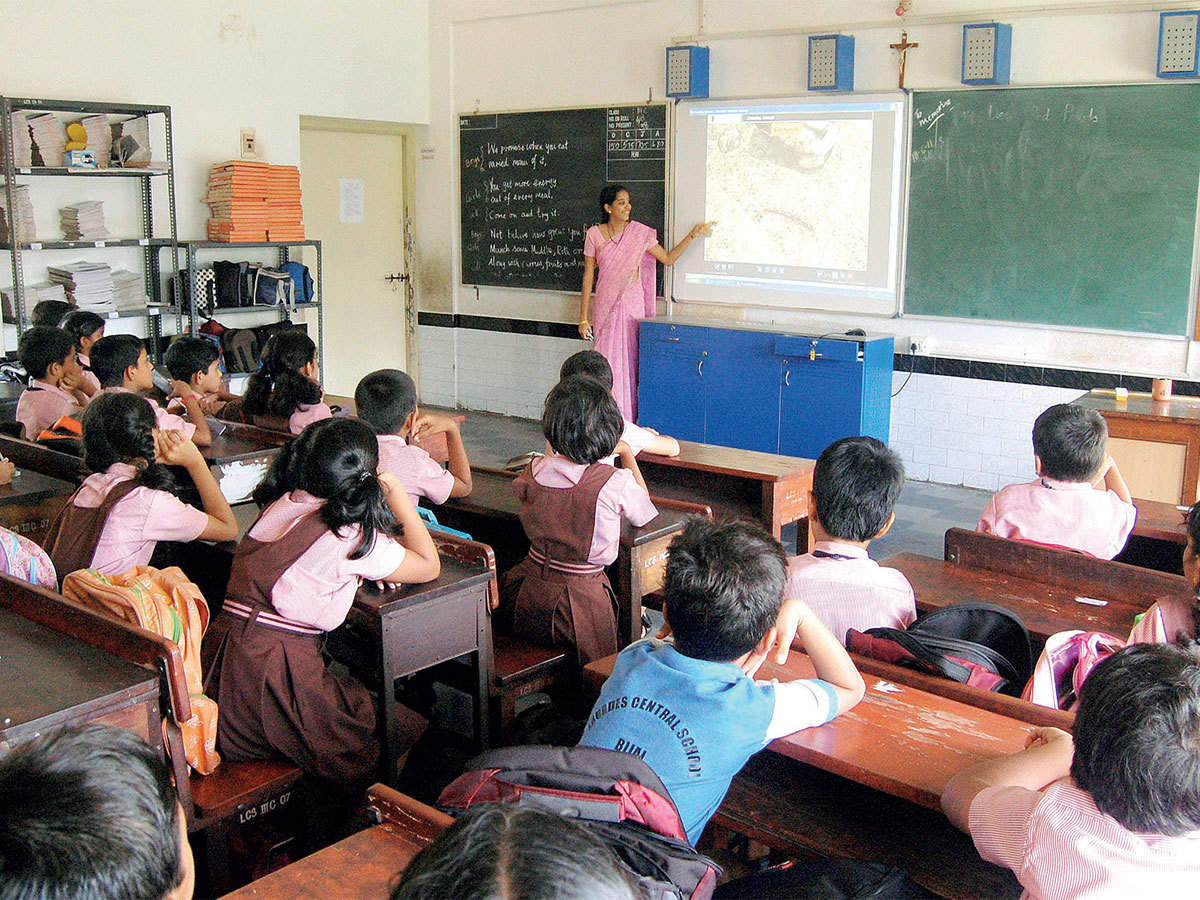
The education system in India is one of the largest and most diverse in the world. It plays a crucial role in shaping the country’s social, economic, and cultural development. With a long history rooted in ancient traditions and a modern structure influenced by globalization and technology, India’s education system aims to provide knowledge, skills, values, and opportunities to its vast population. This article offers a comprehensive understanding of the Indian education system and answers all possible related questions.

Historical Background of Education in India

India has a rich educational heritage. In ancient times, the Gurukul system focused on holistic learning, moral values, discipline, and close teacher-student relationships. Renowned centers of learning like Nalanda and Takshashila attracted students from across the world.

During British rule, the education system became more formal and exam-oriented, emphasizing English education and administrative skills. After independence in 1947, India restructured its education system to promote national development, equality, and accessibility.

Structure of the Indian Education System

The education system in India follows a 10+2+3/4 structure, which includes:

1. Pre-Primary Education

  • For children aged 3–6 years

  • Includes nursery, LKG, and UKG

  • Focuses on basic literacy, numeracy, and social skills

2. Primary Education

  • Classes 1 to 5

  • Emphasizes reading, writing, mathematics, and environmental studies

3. Upper Primary (Middle School)

  • Classes 6 to 8

  • Introduces subjects like science, social science, mathematics, and languages

4. Secondary Education

  • Classes 9 and 10

  • Students appear for board examinations conducted by boards such as Central Board of Secondary Education, state boards, and ICSE

5. Senior Secondary Education

  • Classes 11 and 12

  • Students choose streams: Science, Commerce, or Arts/Humanities

6. Higher Education

  • Undergraduate, postgraduate, and doctoral programs

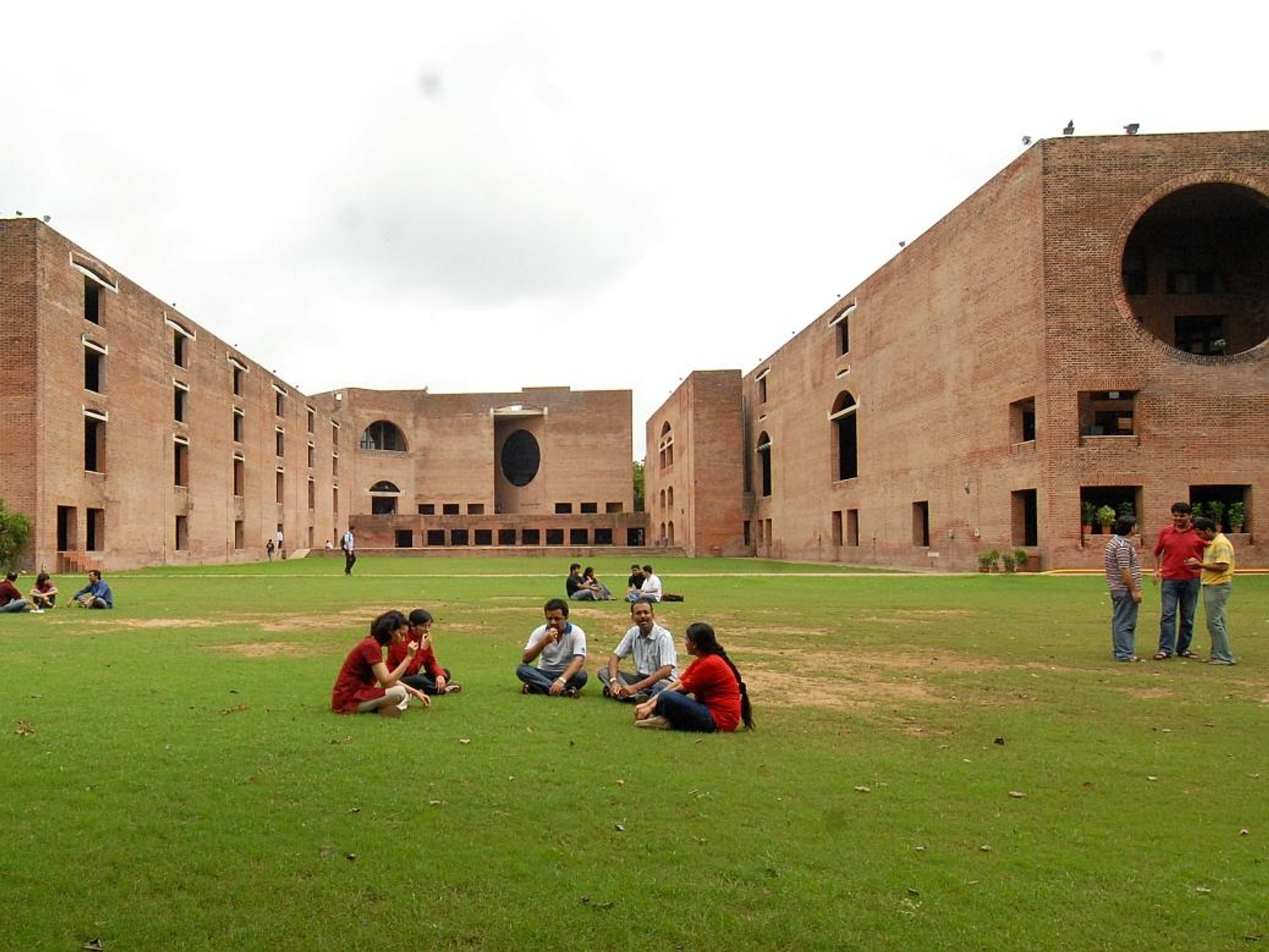
  • Includes universities, colleges, IITs, IIMs, medical colleges, and professional institutions

Education Boards and Authorities

Education in India is governed by both central and state authorities. The major governing body is the Ministry of Education, which formulates national policies and programs. Different boards ensure standardization and evaluation at school levels.

Medium of Instruction

India follows a multilingual education system. Schools offer instruction in:

  • Regional languages

  • Hindi

  • English

English is widely used in higher education and professional courses, making Indian graduates globally competitive.

Government Initiatives and Policies

To improve education quality and access, the government has launched several initiatives:

  • Right to Education (RTE) Act – Free and compulsory education up to age 14

  • Mid-Day Meal Scheme – Improves nutrition and attendance

  • Digital India and online learning platforms

  • National Education Policy (NEP) 2020 – Focuses on skill-based, flexible, and holistic education

Strengths of the Indian Education System

  1. Large and Diverse Network – Schools and universities across urban and rural areas

  2. Strong Emphasis on Academics – Particularly in science, mathematics, and technology

  3. Global Recognition – Indian professionals succeed worldwide

  4. Affordable Education – Compared to many developed countries

  5. Growing Digital Education – Online learning expanding rapidly

Challenges in the Indian Education System

Despite progress, several challenges remain:

  • Rote learning and exam pressure

  • Unequal access to quality education

  • Infrastructure gaps in rural areas

  • Teacher shortages in some regions

  • Limited focus on practical and skill-based learning

Role of Teachers in the Indian Education System

Teachers are the backbone of Indian education. Beyond academics, they:

  • Build character and discipline

  • Guide students emotionally and socially

  • Encourage values like respect, responsibility, and patriotism

Teacher training and professional development remain key areas for improvement.

Impact of Technology on Education in India

Technology has transformed education through:

  • Online classes and digital classrooms

  • E-learning platforms and AI-based tools

  • Virtual labs and smart boards

However, the digital divide between urban and rural students remains a concern.

Education and Employment in India

Education in India is closely linked to employment. While academic knowledge is strong, there is a growing need to:

  • Focus on skill development

  • Promote vocational and technical education

  • Encourage entrepreneurship and innovation

Future of Education in India

The future of Indian education lies in:

  • Skill-based and experiential learning

  • Integration of technology with traditional teaching

  • Student-centered and flexible curricula

  • Greater emphasis on critical thinking and creativity

Conclusion

The education system in India is vast, dynamic, and continuously evolving. While it has produced some of the finest minds globally, it still faces challenges related to quality, access, and relevance. With strong policies, committed teachers, technological support, and active participation from society, India’s education system has the potential to become one of the best in the world.

Final Thought:
Education in India is not just about earning degrees; it is about building character, competence, and a better future for the nation.

GD Topic : Can AI replace teachers?


Can Artificial Intelligence Replace Teachers? — A Complete Analysis

The rapid advancement of Artificial Intelligence (AI) has transformed almost every sector, including education. From smart classrooms and virtual tutors to automated assessments and personalized learning platforms, AI has raised an important and widely debated question: Can AI replace teachers? This article examines the topic from all possible angles so that every related question can be clearly understood and answered.

Understanding the Role of AI in Education

Artificial Intelligence refers to machines and software that can simulate human intelligence, such as learning, reasoning, problem-solving, and decision-making. In education, AI is used in various forms like adaptive learning apps, chatbots, automated grading systems, learning management systems, and virtual classrooms. These tools analyze student data, track progress, and provide customized content according to individual learning needs.

AI has made learning more accessible, flexible, and efficient. Students can learn anytime and anywhere, revise concepts multiple times, and receive instant feedback. For teachers, AI reduces workload by handling repetitive tasks such as checking assignments, creating quizzes, and maintaining records.

What AI Can Do Better Than Teachers

AI has several strengths that make it a powerful educational tool:

  1. Personalized Learning
    AI can design customized learning paths for each student based on their pace, strengths, and weaknesses, which is difficult in large classrooms.

  2. 24/7 Availability
    Unlike human teachers, AI systems are available round the clock, allowing students to learn and clarify doubts anytime.

  3. Instant Feedback and Assessment
    AI can quickly evaluate tests and assignments, helping students identify mistakes and improve faster.

  4. Data-Driven Insights
    AI can analyze large amounts of data to predict learning gaps and suggest improvements.

  5. Cost-Effective Learning
    In many cases, AI-powered learning platforms make quality education affordable and accessible, especially in remote areas.

Limitations of AI in Replacing Teachers

Despite its advantages, AI has serious limitations that prevent it from fully replacing teachers:

  1. Lack of Emotional Intelligence
    Teachers understand students’ emotions, fears, confidence levels, and motivation. AI cannot empathize or emotionally connect with learners.

  2. No Moral or Value-Based Teaching
    Education is not only about knowledge but also about values, ethics, discipline, and character building—areas where human teachers play a crucial role.

  3. Classroom Management and Human Judgment
    Handling diverse classrooms, managing discipline, encouraging shy students, and resolving conflicts require human judgment, which AI lacks.

  4. Creativity and Inspiration
    Teachers inspire students through stories, real-life experiences, encouragement, and personal examples. AI can provide information but not inspiration.

  5. Social and Communication Skills
    Teachers help students develop teamwork, leadership, and communication skills through interaction, something AI cannot effectively replicate.

Can AI Replace Teachers Completely?

The clear answer is no. AI can replace certain tasks of teachers, but it cannot replace the teacher as a human guide and mentor. Education is a deeply human process that involves emotions, relationships, and social development. AI lacks consciousness, empathy, and moral reasoning, which are essential for holistic education.

The Future Role of Teachers in the AI Era

Rather than replacing teachers, AI will change the role of teachers. Teachers will shift from being mere information providers to:

  • Facilitators of learning

  • Mentors and motivators

  • Critical thinking and creativity guides

  • Emotional and moral supporters

Teachers who adapt to AI by integrating technology into their teaching will become more effective and impactful.

Impact on Students

For students, AI-powered education offers flexibility and personalized learning, but over-dependence on AI may reduce human interaction and social learning. A balanced approach, where AI supports learning under teacher supervision, is the most effective model.

Ethical and Social Concerns

There are also concerns related to data privacy, screen addiction, inequality in access to technology, and over-reliance on machines. These issues further highlight the importance of human teachers in guiding responsible and ethical use of AI.

Conclusion

AI is a powerful tool that can enhance education, improve learning outcomes, and support teachers. However, it cannot replace teachers because teaching is not just a profession—it is a human service that involves empathy, inspiration, values, and emotional intelligence.

In conclusion, AI should be seen as a partner to teachers, not a replacement. The future of education lies in the collaboration between intelligent technology and compassionate teachers.

Final Thought:
AI can teach subjects, but only teachers can shape minds and build futures.

Thursday, 18 December 2025

GD: Importance of AI in Education.

 Importance of Artificial Intelligence (AI) in Education


Artificial Intelligence (AI) is transforming almost every sector of society, and education is no exception. In recent years, AI has emerged as a powerful tool that enhances teaching, learning, and administration. By making education more personalized, accessible, efficient, and engaging, AI is redefining how knowledge is delivered and acquired. This article discusses the importance of AI in education in detail, covering its meaning, applications, advantages, challenges, and future scope.


What is Artificial Intelligence in Education?

Artificial Intelligence in education refers to the use of computer systems and software that can perform tasks requiring human intelligence, such as learning, reasoning, problem-solving, and decision-making. In education, AI is used to analyze student data, adapt learning content, provide instant feedback, and support both teachers and learners.


Role of AI in Teaching and Learning

1. Personalized Learning

One of the most significant contributions of AI in education is personalized learning. AI-powered platforms analyze a student’s learning speed, strengths, weaknesses, and interests. Based on this data, they provide customized lessons, practice exercises, and assessments. This ensures that slow learners get extra support while fast learners are challenged appropriately.


2. Intelligent Tutoring Systems

AI-based tutors act like virtual teachers. They explain concepts, answer questions, and guide students step by step. These systems are available 24/7, allowing students to learn anytime and anywhere. This is especially helpful for students who hesitate to ask questions in traditional classrooms.


3. Automated Assessment and Feedback

AI can evaluate objective tests, assignments, and even written responses with high accuracy. It provides instant feedback, helping students understand their mistakes immediately. This saves teachers’ time and allows them to focus more on teaching and mentoring.


4. Support for Teachers

AI assists teachers by reducing administrative workload. Tasks such as attendance, grading, lesson planning, and performance analysis can be automated. AI also helps teachers identify learning gaps and design effective teaching strategies.


AI in Student Engagement and Motivation

AI-powered educational apps use gamification, interactive content, and adaptive challenges to make learning enjoyable. Chatbots and virtual assistants help students with doubts, reminders, and study planning. As a result, students remain more engaged, motivated, and confident.

AI and Inclusive Education

1. Support for Students with Special Needs

AI plays a crucial role in inclusive education. Speech-to-text, text-to-speech, and language translation tools help students with disabilities or learning difficulties. AI-based tools also assist visually and hearing-impaired learners, making education more inclusive and equitable.

2. Language Learning and Translation

AI helps students overcome language barriers through real-time translation and pronunciation tools. This is particularly beneficial in multilingual classrooms and for learners studying in a second language.


AI in Online and Distance Education

With the growth of online education, AI has become even more important. AI systems track learner progress, recommend resources, and ensure academic integrity through online proctoring. Virtual classrooms, AI tutors, and adaptive platforms have made distance learning more effective and reliable.


Administrative and Institutional Benefits

Educational institutions use AI for:

* Student enrollment and admissions

* Predicting student dropouts

* Managing timetables and resources

* Improving decision-making using data analytics

These applications help institutions improve efficiency, reduce costs, and enhance overall educational quality.


Advantages of AI in Education

* Personalized and student-centered learning

* 24/7 learning support

* Improved learning outcomes

* Reduced workload for teachers

* Better accessibility and inclusivity

* Data-driven decision-making


Challenges and Limitations of AI in Education


Despite its benefits, AI also presents certain challenges:

* High cost of implementation

* Dependence on technology and internet access

* Data privacy and security concerns

* Lack of human touch and emotional understanding

* Need for teacher training and digital literacy

These challenges highlight the importance of using AI as a support system rather than a replacement for teachers.

Future Scope of AI in Education

The future of AI in education is highly promising. AI is expected to create smarter classrooms, advanced virtual reality learning environments, and lifelong learning platforms. Teachers will evolve into facilitators and mentors, while AI will handle repetitive tasks. With responsible use, AI can bridge educational gaps and improve learning for students worldwide.

Conclusion

In conclusion, Artificial Intelligence is revolutionizing education by making learning more personalized, inclusive, efficient, and engaging. It supports students, empowers teachers, and strengthens educational institutions. While challenges exist, the thoughtful and ethical integration of AI can greatly enhance the quality of education. Therefore, AI should be viewed not as a threat, but as a valuable partner in shaping the future of education.

Sunday, 14 December 2025

GD Topic: Women Empowerment.

Women Empowerment


Women empowerment means giving women the  freedom, rights, opportunities, and confidence to make their own decisions in every sphere of life—social, economic, educational, and political. It is not about dominating men; rather, it is about creating equality and balance in society.


Why is Women Empowerment Important?

Women constitute nearly half of the population, yet in many parts of the world they still face discrimination in education, employment, health care, and decision-making. Empowering women leads to:


Economic growth, as educated and working women contribute to national income

Better families, because educated mothers raise healthier and more educated children

Stronger society, as gender equality promotes peace and social harmony


No nation can progress if half of its population remains suppressed.


Areas Where Women Need Empowerment


1. Education – Education is the foundation of empowerment. An educated woman becomes confident, independent, and aware of her rights.

2. Economic Empowerment – Equal pay for equal work, job opportunities, entrepreneurship, and financial independence are crucial.

3. Political Empowerment – Women must participate in decision-making bodies such as parliament, panchayats, and leadership roles.

4. Social Empowerment – Ending practices like dowry, domestic violence, child marriage, and gender discrimination is essential.


Challenges Faced by Women


Despite progress, women still face many challenges such as:

* Gender bias and patriarchy

* Lack of education in rural areas

* Workplace harassment and unequal wages

* Domestic violence and social restrictions


These issues limit women’s potential and slow down national development.


Role of Government and Society.


The government has launched several initiatives like:

* Beti Bachao Beti Padhao

* Reservation for women in local bodies

* Laws against domestic violence and sexual harassment


However, laws alone are not enough. Society must change its mindset. Families should:


* Educate girls equally

* Encourage women to work and lead

* Respect their choices and opinions


Role of Education and Media.


Education creates awareness, while media plays a powerful role in shaping attitudes. Positive representation of women in media helps break stereotypes and inspires young girls.


Men as Partners in Empowerment

Women empowerment is not possible without the support of men. Men must act as allies, not competitors, by respecting women, sharing responsibilities, and supporting equality.


Conclusion

Women empowerment is not a women’s issue; it is a **human issue**. When women are empowered, families prosper, societies progress, and nations grow. True empowerment will be achieved only when women are treated with dignity, equality, and respect in every aspect of life.

As Swami Vivekananda rightly said:

“There is no chance for the welfare of the world unless the condition of women is improved.

Tuesday, 9 December 2025

Group Discussion Topics for Aviation and Hospitality: Why is voting important in India?

 Q. Why voting is important in India?

Answer 1:

Voting is important in India because it keeps our democracy alive, gives every citizen a voice, and allows people to choose the leaders who will shape the future of the country. When citizens vote in large numbers, the government becomes more representative, accountable, and responsible towards the people.

Introduction:

India is the world’s largest democracy, and the right to vote is one of the most powerful rights given to every adult citizen. Voting is not just a right; it is also a duty that each responsible citizen must perform for the progress of the nation. When people ignore voting, they silently allow others to decide their future. 

Strengthening Economy:

Voting keeps the spirit of “government of the people, by the people and for the people” alive. In a democracy, laws and policies are made by representatives, and these representatives are chosen directly by the people through elections. If citizens do not vote, democracy becomes weak and decisions are taken by a small group instead of the whole society.

Voice of every citizen:

India is a diverse country with different religions, languages, castes, and cultures. Voting ensures that every section of society gets a chance to express its needs and expectations. Through voting, even the poorest and most marginalized citizen has the same value as the richest person, because each vote counts equally.

Choosing good leaders and policies:

By voting, citizens can reward good leaders and remove corrupt or inefficient ones. This puts pressure on politicians to work honestly, improve public services, and bring development, because they know they can be voted out in the next election. When students and young people vote thoughtfully, they can support policies related to education, employment, environment, and technology that will shape their own future.

Accountability and change:

Voting is a peaceful and powerful way to bring change in society. Instead of only complaining about problems like unemployment, corruption, poor roads, or bad schools, citizens can use their vote to support candidates who promise better governance. If leaders do not perform well, people can hold them accountable in the next election by changing the government.

Role of youths and students:

Young voters form a large part of India’s population, so their participation can completely change the election result. When students vote, they send a strong message that the youth of India is aware, responsible, and ready to take charge of the nation’s destiny. By discussing issues, understanding manifestos, and then voting, students become informed citizens rather than silent spectators.

Conclusion:

In conclusion, voting is both a right and a responsibility that no Indian should ignore. Every single vote contributes to building a better government, a better society, and a better future for the next generation. If citizens want honesty, development, equality, and justice, the first and most important step is to go out and vote.


Answer 2:

India is the world’s largest democracy, and voting plays a very important role in shaping our nation. Voting is not just a right—it is a powerful responsibility that every eligible citizen must perform. When we vote, we choose the leaders who will represent us and make decisions on behalf of the entire country.

First of all, voting gives power to the people. In India, citizens have the freedom to elect their government. This means that leaders are not chosen by force or inheritance, but by the people. When we vote, we decide who should govern, create policies, and work for the progress of our society.

Secondly, voting helps bring change. If we think that the current government is not doing well, the ballot gives us the opportunity to choose better leaders. Many people complain about corruption, poor roads, unemployment, or lack of development. But complaints alone are not enough. The real change begins when we vote wisely and responsibly.

Thirdly, voting makes the government accountable. When leaders know that they can lose the next election if they do not perform well, they work harder to fulfill the needs of the people. Voting reminds leaders that they are not rulers—they are public servants.

Another important reason voting matters is that every vote counts. In many elections in India, the winning margin has been very small—sometimes just a few votes. One vote can change the result, and one result can change the future of a state or the entire country.

Voting also ensures equality. In an election, every citizen’s vote has the same value. Whether someone is rich or poor, young or old, educated or uneducated—each vote carries equal weight. This equality is the true beauty of democracy.

However, many people still do not vote. Some think their vote does not matter, while others feel lazy or uninterested. But if responsible citizens do not vote, decisions will be made by others, and the country may end up with leaders who do not represent the people’s true interests.

Therefore, voting should not be ignored. It should be seen as a national duty. We must also educate others about the importance of voting and encourage them to participate.

Conclusion:

To conclude, voting is a powerful tool that gives citizens control over the government. It protects our rights, strengthens democracy, and shapes the nation’s future. As responsible citizens of India, we must respect our right to vote and use it wisely.

Sunday, 7 December 2025

Interview Questions for Aviation and Hospitality.

Q. Self-Introduction (Tell me about yourself).

“Good morning, my name is ____. I have recently completed my training in aviation and hospitality, where I learnt professional grooming, safety basics and customer service skills. I would describe myself as calm, polite and confident while dealing with people, and I genuinely enjoy helping guests feel comfortable and cared for. During my training and internships, I handled tasks like greeting customers, answering queries and managing small issues, which improved my communication, teamwork and problem‑solving abilities. I am now excited to begin my career as cabin crew/hospitality professional with your organisation, where I can use my positive attitude and people skills to create a safe and pleasant experience for every passenger and guest.”


Prepare yourself with the questions given below:

1. Tell me about yourself / Why should we hire you? (If these questions are asked together, answer the questions the way it is written below.)  

I am a confident and service‑oriented person with strong communication skills and a genuine interest in aviation and hospitality. I enjoy meeting new people, staying calm under pressure and making sure guests feel comfortable and safe. You should hire me because I combine professional grooming and a positive attitude with strong teamwork and quick learning, which are essential for cabin crew and front‑office roles.


2. What is your strength? 

My key strengths are patience, empathy and clear communication. I listen carefully, solve problems politely and stay composed even with difficult customers or in busy situations.


3. Are you willing to relocate?

Certainly yes, I am fully willing to relocate and work in shifts because I understand the industry operates across cities, time zones and odd hours.


5. One skill that will take you ahead in life.  

The one skill that will take me ahead is my ability to connect with people from different cultures and make them feel valued. I do this through attentive listening, polite language and a warm, professional manner. I am motivated by opportunities to learn, take responsibility and turn stressful situations into pleasant experiences for customers.


6. What motivates you?

Personally speaking, I am motivated by opportunities to learn, take responsibility and turn stressful situations into pleasant experiences for customers.


7. What are your plans?

In the short term, I want to join a reputed airline/hotel and build a strong foundation in customer service and safety procedures. In the long term, I aim to grow into roles such as senior cabin crew, trainer or supervisor, where I can guide new staff and contribute to higher service standards for the company.


8. What do you know about this job?  

As far as my knowledge is concerned, this role is a combination of safety, service and teamwork. Cabin crew must conduct safety checks, handle briefings, assist during boarding, serve food and beverages, manage special requests and follow company procedures in any emergency. The job also involves strict grooming standards, punctuality and working closely with colleagues to give passengers a safe and pleasant experience.


9. Why cabin crew? 

I chose cabin crew because it allows me to combine my love for travel and cultures with my passion for serving people. The role is dynamic, requires discipline and professionalism, and gives me a chance to represent the airline, create memorable journeys for passengers and grow in an international work environment.


10. How would you handle a difficult/irate customer?  

First, I would stay calm, use open body language and listen carefully without interrupting. Then I would acknowledge their feelings, apologise for the inconvenience, and explain what I can do within company policy, such as offering an alternative seat, a different meal or involving a senior if required. Throughout the interaction I would remain polite yet firm about safety and rules, aiming to de‑escalate the situation and protect the comfort of other passengers.


Interview Questions by Asmit Kumar


Some topics are given below on which you shall be asked to speak for a minimum of 3 minutes.

1. My Dream Country – Japan

Everyone has a dream country that they wish to visit one day. For me, that country is Japan—a wonderful place where ancient culture meets modern technology. Japan is often called “The Land of the Rising Sun”, and it truly lives up to that name with its breathtaking beauty, disciplined people, and rich traditions.

What attracts me the most about Japan is its amazing combination of the old and the new. On one side, you can see traditional tea ceremonies, temples, and cherry blossom gardens. On the other side, you find tall skyscrapers, bullet trains, and advanced robots. This perfect balance of culture and innovation is something I deeply admire.

Japan is also known for its cleanliness, punctuality, and respect for others. Japanese people believe in working hard and doing every task with perfection. Whether it’s making sushi or designing cars, they give their best to everything they do. This attitude inspires me a lot because it teaches the value of discipline and dedication.

Another reason I love Japan is its food! From sushi and ramen to mochi and tempura, Japanese cuisine is both healthy and delicious. Food is not just eaten there—it is beautifully presented like an art form. I would love to sit in a small Japanese restaurant and taste authentic dishes while enjoying the peaceful atmosphere.

Education in Japan is also world-class. Universities like the University of Tokyo and Kyoto University are globally recognized. Students learn not just academics, but also values like teamwork, honesty, and respect. If I ever get the chance, I would love to study or work in Japan to experience their education system and professional culture.

Apart from all these, Japan’s natural beauty is mesmerizing. The cherry blossom season, Mount Fuji, bamboo forests, and quiet countryside villages make it look like a painting come to life. Visiting Japan during the spring season to watch the pink cherry blossoms is a dream I hope will come true someday.

In short, Japan is my dream country because it beautifully blends tradition and technology, values and vision, art and innovation. It inspires me to live a disciplined and creative life. I believe everyone should learn something from Japan—how to respect culture while moving forward with modern ideas.

Thank you.

Wednesday, 3 December 2025

IELTS Speaking Questions

1. Describe a person you know who likes to talk a lot.

You should say:

Who this person is?

How do you know him or her?

What he/she likes to talk about?

And explain how you feel about this person.

Answer:

Well, I have come across several people in my life who enjoy talking, but there is one particular person who stands out from the rest. His name is Rohit, and he is one of my closest school friends. He is definitely someone worth mentioning when it comes to talking endlessly.

I have known him for almost ten years because we studied together in high school. Since then, our friendship has grown stronger, and we still meet regularly. Rohit is the type of person who can start a conversation with anyone, no matter whether he knows them or not.

He loves to talk mainly about cricket because he is extremely passionate about it. Apart from that, he sometimes shares interesting facts about politics, technology, or daily life. What makes his conversation unique is that he speaks with so much excitement and energy that even a boring topic sounds interesting when he talks about it.

One thing I genuinely admire about him is that he always tries to keep the conversation positive. Even if someone shares something stressful or upsetting, he instantly tries to motivate them by giving practical advice or cracking jokes.

To be honest, sometimes his nonstop talking can be a bit irritating, especially when I am tired or not in the mood to socialize. However, most of the time, I truly enjoy his company because he spreads good vibes and makes people around him feel comfortable.

For instance, during my board exams, I was extremely stressed and anxious. Rohit spent an entire evening talking to me and boosting my confidence. He explained how worrying wouldn’t change anything and that staying calm would help me perform better. His words truly helped me gain clarity and courage.

Overall, I feel blessed to have someone like him in my life. His presence is refreshing, and his enthusiasm for talking makes every moment lively. I believe the world needs more people like him—people who talk not just to speak, but to uplift and inspire others.


2. Describe a place where you would like to go to relax.

You should say:

Where it is

When you would like to go there

What you would like to do there

And explain why you would like to go to this place


Answer

Although I have visited many beautiful places in my life, there is one destination that I truly want to visit for relaxation, and that place is Rishikesh in Uttarakhand, India. I have seen countless pictures and videos of this place, and it looks nothing less than paradise.

I would like to go there during the winter season, preferably in December or January, because during that time the weather becomes pleasantly cold, and the scenery looks absolutely breathtaking. The mist-covered mountains, calm river water, and the peaceful environment make it a perfect spot to unwind.

There are many things I would like to do there. First, I would like to spend time sitting near the **banks of the River Ganga**, listening to the soothing sound of flowing water. I would also love to experience **yoga and meditation sessions**, because Rishikesh is known as the Yoga Capital of the World. Apart from this, I would enjoy exploring the local cafes, tasting homemade organic food, and watching the famous **Ganga Aarti** in the evening, which I have heard is a magical and unforgettable experience.

The reason why I want to visit this place is because my current lifestyle has become extremely hectic and fast-paced. I am constantly surrounded by work pressure, traffic, noise, digital screens, and responsibilities. I believe that spending time in Rishikesh would give me the mental peace and emotional balance that I genuinely need. The calm environment and connection with nature would help me recharge, reflect, and return to my daily life with a fresh mind and a positive attitude.

To sum up, Rishikesh is not just a travel destination for me—it’s a place where I believe I can reconnect with myself and experience true relaxation. I hope to visit it soon and create unforgettable memories there.

Thursday, 27 November 2025

IELTS WRITING TASK 2

1. Some people think that the only way to be successful in business is to have a unique product.
Discuss if you agree or disagree.

A. Introduction

(a) Paraphrase the statement)
Some individuals argue that the key to achieving success in business lies solely in offering a product that is unlike anything else available in the market.

(b) Thesis statement)
I completely disagree with this belief.

(c) Outline statement)
While having a unique product can certainly be an advantage, several other factors such as effective marketing strategies and exceptional customer service also play a crucial role in determining business success.

B. Body Paragraph 1

(a) 1st reason)
To begin with, a unique product alone does not guarantee commercial success without strategic marketing and brand positioning.

(b) Explanation)
Even if a company develops something original, consumers may remain unaware of it without proper promotion. Marketing helps build brand recognition, trust, and demand, which are essential components of business growth.

(c) Example)
For example, Coca-Cola does not offer a completely unique beverage today, yet it remains one of the most successful brands in the world due to powerful advertising and consistent marketing campaigns.

C. Body Paragraph 2

(a) 2nd reason)
Furthermore, customer service and user experience are often more important than product uniqueness.

(b) Explanation)
A business may offer a novel product, but if customers do not feel valued or supported, they are unlikely to return. Companies that prioritise customer satisfaction create long-term loyalty, which contributes significantly to sustained success.

(c) Example)
For instance, Amazon became a global leader not because it offered a unique product, but because of its reliable service, fast delivery, and hassle-free return policies, which built strong trust among consumers.

D. Conclusion

In conclusion, although a unique product can offer a competitive edge, it is not the only factor that determines business success. Effective marketing and excellent customer service are equally—if not more—important. Therefore, I strongly believe that business success results from a combination of various strategies rather than relying solely on product uniqueness.

Reading and comprehension : The weight of regret.

Riya was a bright 20-year-old girl, full of dreams and ambition. She planned to study abroad, start a business, and make her parents proud. But despite her big goals, she had one habit that constantly stopped her: procrastination.

Whenever she had assignments or important work, she would think, “I’ll do it tomorrow.” Instead, she spent hours scrolling on social media, watching videos, and chatting with friends. She convinced herself that she still had time.

One day, her professor announced a competition where the best business idea would get a scholarship to study in Canada. Riya was thrilled. She had been waiting for such an opportunity. She started working on her idea—but after a few hours, her phone buzzed. Her friend sent her a meme, then a funny video, then a voice message.

“What’s the harm in taking a short break?” she thought. That short break turned into hours. Days passed, and she kept postponing the project.

Finally, the submission deadline arrived. Riya stayed awake the whole night and finished the project just minutes before the deadline. She knew it wasn’t her best work, but she hoped for the best.

A week later, the results were announced. Her friend Sarah, who spent weeks preparing, won the scholarship.

Riya congratulated her, but deep inside, she felt a heavy weight — a mix of regret and guilt.

Later, she asked her professor, “Do you think my idea wasn’t strong enough?”

The professor smiled gently and replied, “Your idea was strong — but your preparation was weak. Success doesn’t come from dreams alone. It comes from disciplined action.”

That night, Riya reflected deeply. She realized she had lost an opportunity not because she was incapable, but because she delayed what mattered.

From that day forward, she made a decision:

Whenever her mind said, “I’ll do it later,” she would answer,

“No. I’ll do it now.”

With time, consistency, and discipline, Riya changed her habits. Within a year, she applied again—this time confidently—and achieved her scholarship.


Moral:

Dreams need discipline. Today’s decisions shape tomorrow’s opportunities.

Delay turns potential into regret. Action turns potential into achievements.


Comprehension and Reflection Questions

A. Factual & Understanding Questions (Literal)


1. What habit stopped Riya from achieving her goals?

2. What opportunity did the professor announce?

3. Who won the scholarship and why?

4. What was the main reason Riya failed to win the opportunity?

5. What decision did Riya make after reflecting on her actions?


B. Inferential Questions (Between the lines)

6. Why do you think Riya kept procrastinating even though she had big goals?

7. How did social media affect her productivity?

8. What does the professor’s statement suggest about success and effort?

9. What emotions did Riya feel after losing the opportunity?


C. Critical Thinking Questions (Beyond the text)

10. Have you ever lost an opportunity because of procrastination? What did you learn?

11. Do you think technology makes procrastination easier? Explain.

12. In what ways can someone build discipline in their daily life?

13. If you were Riya, what strategy would you use to avoid procrastination?


D. Vocabulary in Context

Write the meaning of the following words based on how they are used in the story:


14. Ambition

15. Procrastination

16. Opportunity

17. Regret

18. Disciplined action

Monday, 24 November 2025

Reading and comprehension: The weight of the glass.

One evening, a psychology professor entered her classroom carrying a glass filled halfway with water. The students expected the classic question: “Is it half empty or half full?”

But she surprised them.

She raised the glass and asked,
“How heavy do you think this glass is?”

Students gave answers ranging from 100 grams to 500 grams.

The professor smiled and said,
“The actual weight doesn’t matter. What matters is how long I hold it.”

She continued,
“If I hold this glass for a minute, it feels light.
If I hold it for an hour, my arm will ache.
If I hold it all day, my arm will go numb and I’ll feel paralyzed. But the weight of the glass never changes.”

The students listened silently.

The professor gently placed the glass on the table and said:
“The stresses and worries in life are like this glass. Think about them for a short time, nothing happens. Think about them longer, they start hurting you. Think about them all day, and they paralyze your ability to live.”

She concluded,
“Put the glass down. Learn to let go. Rest. Reset. You’ll be able to pick it up again with new strength.”

The entire class fell silent, absorbing the truth of her words.

That day, students didn’t just learn psychology.
They learned one of life’s most important lessons:
You cannot control everything, but you can control how long you carry it.


Moral

Don’t hold on to worries for too long. Let things go.
Resting your mind is not a weakness—it is wisdom.

Comprehension Questions

A. Basic Understanding

  1. Who entered the classroom at the beginning of the story?

  2. What did she bring with her?

  3. What question did the students expect?

  4. What actually happened when she asked about the glass?

  5. What does the glass represent in the story?

B. Deep Thinking Questions

  1. Why does the professor say the weight of the glass does not matter?

  2. How is holding the glass similar to holding stress in life?

  3. What lesson did the students learn from this demonstration?

  4. How can this story be applied to your own life?

  5. Why is letting go sometimes the best solution?

Saturday, 22 November 2025

Deforestation: A comprehensive analysis.

Deforestation: A threat to environment.


Deforestation means cutting down trees on a large scale. It is one of the biggest environmental problems in the world today. Forests are important because they give us oxygen, improve air quality, protect soil, support wildlife, control climate, and maintain ecological balance. When we destroy forests, we disturb the balance of nature.


Q. What are the major causes of deforestation?

There are many reasons.

Agriculture is the biggest cause because people clear forests for farming.

Urbanization and industrialization also require land, so trees are cut to build roads, buildings, and factories.

Logging (timber cutting) for furniture and paper causes huge forest loss.

Mining also requires clearing large areas.

Sometimes, forest fires—both natural and man-made—destroy huge forest areas.


Q. What are the effects of deforestation?

The impact is very serious.

It leads to global warming because fewer trees means more carbon dioxide.

It causes climate change, irregular rainfall, and higher temperatures.

It also leads to loss of biodiversity because many animals lose their homes and die.

Deforestation causes soil erosion, which reduces soil fertility and affects farming.

It also increases the chances of floods and droughts.


Q. How does deforestation affect wildlife?

Animals depend on forests for food, shelter, and protection. When forests disappear, animals are left with no place to live. Many species become endangered or extinct, and the whole food chain gets disturbed.

Q. How does deforestation affect humans?

Humans suffer from poor air quality, water scarcity, higher heat, and natural disasters. Farmers face low crop production due to soil erosion and climate change. People living in forest areas lose their livelihood.


Q. What are the economic effects?

In the short term, deforestation provides land for farming, wood for industries, and minerals from mining. But in the long term, it damages the environment and leads to **huge economic losses** due to floods, droughts, and loss of fertile land.


Q. What are the solutions to deforestation?

We must take strong steps.

Afforestation and reforestation—planting more trees.

Sustainable farming to reduce pressure on forests.

Using recycled products to reduce timber demand.

Strict laws against illegal logging.

Awareness programs to educate people.

Promoting renewable energy to reduce dependence on wood.


Q. What is the role of government?

Government should create and enforce laws to protect forests. It must encourage tree plantation drives, sustainable development, and eco-friendly industries. It should also support tribal communities and protect wildlife.


Q. What is the role of individuals?

Every person can help. We can reduce paper use, recycle products, plant trees, stop burning waste, and spread awareness about forest protection. Small actions lead to big changes.


Q. How can technology help?

Technology can monitor forests through satellites, stop illegal logging, and help farmers use land efficiently. Drones, GPS, and AI tools can track deforestation in real time.


Q. What is the global impact?

Deforestation affects the entire world. It increases global warming and destroys natural ecosystems. Countries like Brazil, Indonesia, and India face major forest loss, which affects global climate patterns.


Conclusion

Deforestation is a serious problem that affects the environment, animals, humans, and the economy. If we do not act today, the future will be unsafe for the next generation. Protecting forests is not the responsibility of one person—it is the responsibility of every human on Earth. With strong laws, responsible behavior, and global cooperation, we can save our forests and restore the balance of nature.


Some more simple questions:

1. What is deforestation?

Answer:

Deforestation is the process of cutting down or clearing forests for human activities such as farming, construction, mining, or urban development.

2. What are the main causes of deforestation?

Answer:

The main causes are agriculture, logging, mining, infrastructure development, forest fires, and population growth.


3. How does deforestation affect the environment?

Answer:

It leads to loss of biodiversity, soil erosion, climate change, habitat destruction, and imbalance in the ecosystem.

4. How does deforestation contribute to global warming?


Answer:

Trees absorb carbon dioxide. When forests are cut, CO₂ levels increase, contributing to global warming.


5. What are the effects of deforestation on wildlife?


Answer:

Animals lose their homes and food sources, leading to endangerment and extinction of many species.


6. How does deforestation affect humans?

Answer:

It reduces clean air, increases natural disasters like floods, affects rainfall patterns, and impacts farmers’ livelihoods.


7. What are the economic reasons behind deforestation?


Answer:

Demand for timber, agricultural land, mining profits, real estate development, and job creation.

8. What are the social effects of deforestation?

Answer:

Tribal communities lose their homes, migration increases, and conflicts over land and resources occur.

9. How does deforestation lead to soil erosion?

Answer:

Roots of trees hold soil together. When trees are removed, soil becomes loose and easily washed away by rain and wind.

10. How does deforestation affect rainfall patterns?

Answer:

Trees release moisture into the air. With fewer trees, the area receives less rainfall, causing drought.

11. How can we control deforestation?

Answer:

Through afforestation, strict laws, sustainable farming, recycling wood products, and awareness programs.

12. What is afforestation?

Answer:

Afforestation means planting new trees where there were no forests before.

13. What is reforestation?

Answer:

Reforestation means planting trees in areas where forests were cut down.


14. What can individuals do to reduce deforestation?


Answer:

Use less paper, avoid single-use products, support eco-friendly brands, and plant more trees.

15. What role can the government play?

Answer:

The government can enforce strict laws, promote sustainable development, and encourage the use of alternative materials.

16. What role do industries play in deforestation?

Answer:

Industries clear forests for timber, farming, mining, and construction, contributing heavily to forest loss.

17. What is the impact of deforestation on climate change?

Answer:

It increases greenhouse gases, raises global temperatures, and causes extreme weather conditions.

18. How does deforestation cause floods?

Answer:

Trees absorb water and reduce runoff. Without trees, water flows freely, causing floods.

19. How does deforestation create deserts?

Answer:

Loss of forests results in less rainfall, dry soil, and eventually desert-like conditions.


20. Why is the Amazon rainforest important?

Answer:

It produces 20% of the world’s oxygen and is home to thousands of species. Deforestation here affects the entire planet.

21. How does population growth cause deforestation?


Answer:

More people need more land, food, and housing, so forests are cleared.


22. What are the long-term consequences of deforestation?


Answer:

Loss of biodiversity, climate imbalance, food shortage, and increased natural disasters.

23. What are some alternatives to cutting down trees?

Answer:

Using recycled materials, bamboo, metal, and promoting digital documents instead of paper.

24. Why is biodiversity important?

Answer:

It maintains balance in the ecosystem and supports life by providing food, medicine, and clean air.

25. How do forest fires contribute to deforestation?

Answer:

Forest fires destroy huge areas of land, and recovery takes years.


26. Should deforestation ever be allowed?

Answer:

It should only be allowed when absolutely necessary and followed by proper reforestation.


27. Why are forests called the “lungs of the Earth”?

Answer:

Because they absorb CO₂ and release oxygen, just like lungs help us breathe.

28. What are the advantages of sustainable forestry?

Answer:

It allows controlled cutting while ensuring forests regenerate and stay healthy.


29. What is the role of NGOs in stopping deforestation?

Answer:

NGOs spread awareness, plant trees, and fight against illegal logging.

30. What message would you like to give on deforestation?

Answer:

We need to protect forests for our future, as without them life on Earth cannot survive.


  Quiz: Use of Since and For 🔹 Part 1: Fill in the blanks (20 Marks) Fill in the blanks with since or for . I have lived her...